Parenting
My Children Open AI Before They Even Read the Question
A CEO and mother reflects on children reaching for AI too quickly, and why keeping the capacity to struggle matters more than frictionless answers.
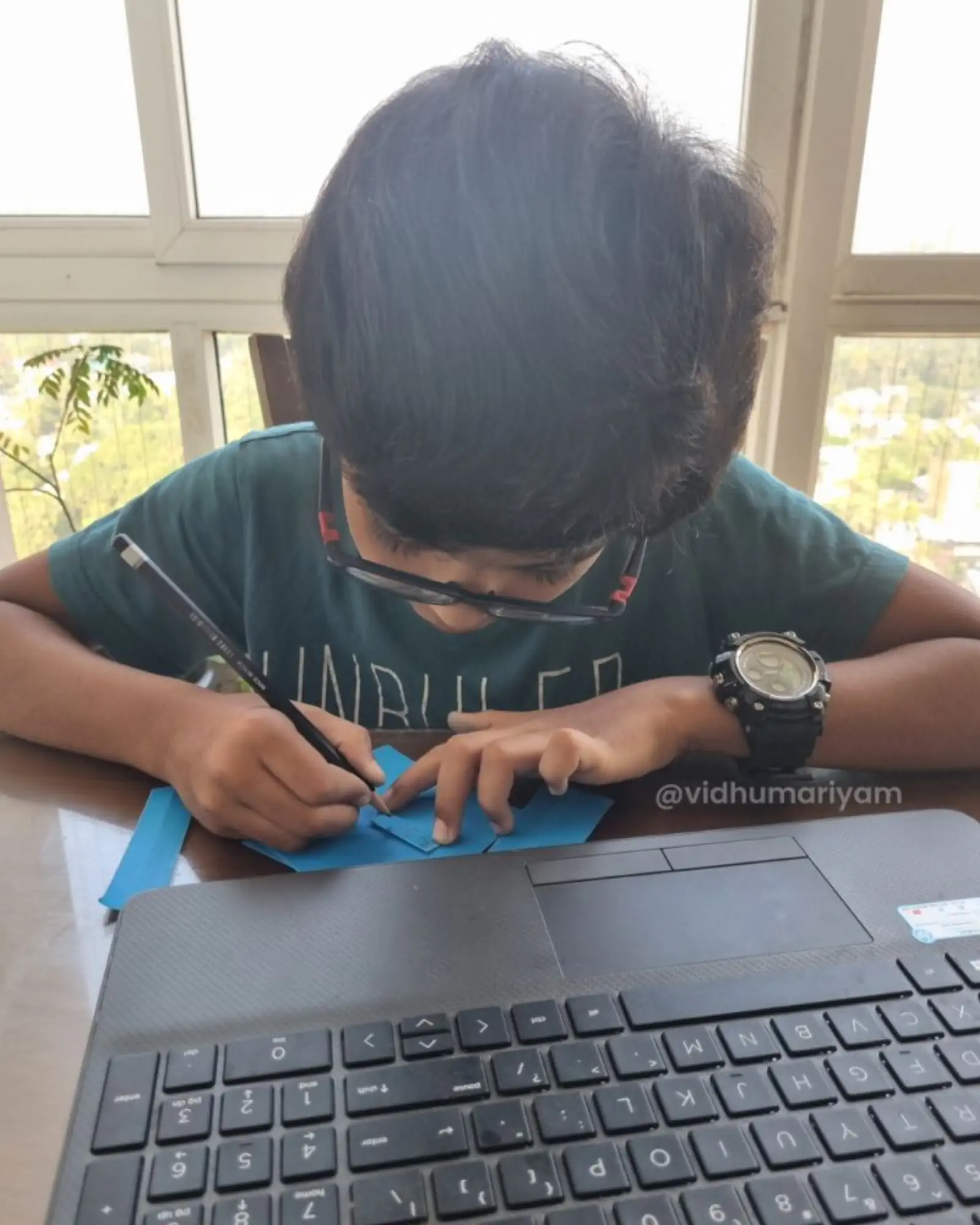
My children open AI before they even read the question.
For me, this is scarier than their exam result.
We have removed friction from everywhere for our kids. Everything, in a click. And slowly, the capacity to wait, to fail, to strive, to figure things out, to feel something hard and survive it, is quietly disappearing from childhood.
One click and the essay is written. One click and the answer appears. One click and the complex sentence is simplified into something that asks nothing of them.
I want to be honest about where I stand. I am not anti-tech. I am not anti-AI. We are an AI-native family and an AI-native company. But I am fiercely pro-discomfort.
Why their brains run to the click
Here is the thing about a child’s brain. It does not choose discomfort by default. It is not built to. It is built to find the shortest path to relief. So when the shortest path is a glowing screen that finishes the hard thing for them, of course they take it. I would too.
And we cannot pretend otherwise: the more we restrict them from AI, the more secretive they become. Banning it outright does not build the muscle I actually care about. It just moves the click somewhere I can’t see.
So the question I keep sitting with is not “how do I keep AI away from my kids”. It is “how do I help them keep their capacity to struggle, while AI sits right there in their hand”.
Not sure where your child stands?
Take the free Parenting ChecklistWhat we try instead
I do not have a fixed system. I have a few things that have helped in our home, with Eisa, Moosa, Aaisha and Fathima, on the ordinary hard days.
Delay, don’t deny. I don’t take the tool away. I pause it. “Let’s try one more time. You’re heading in the right direction. It’s hard to crack, but it’s worth cracking our brains over.” That one sentence has bought us so many minutes of real thinking before the click. The goal was never to win the war against the tool. It was to stretch the moment of effort just a little longer each time.
Rehearse the hard moment before it arrives. Before a difficult task, we name what’s coming. “This might get frustrating. You might want to give up. That’s normal. What will we do when that happens?” We make the plan together, in advance, while everyone is still calm. So when the frustration shows up, it is something we expected, not something that defeats us.
Let them see me struggle. This is the one I believe in most. “This is hard for me too. I’m going to keep going.” A parent who hides their own difficulty teaches a child that difficulty is shameful, something to clear off the table before anyone sees it. I want to teach the opposite. I want them to watch me sit inside something hard and stay.
What I keep coming back to
Guiding our kids to survive in this world without losing their own skills, while genuinely adding AI to what they can do, is a skill we as parents now have to build in ourselves first. Our children are watching how we meet the hard thing far more closely than they are listening to what we say about it.
I don’t think the answer is fear, and I don’t think it is a ban. I think it is presence. Staying in the room while it is hard. Letting the click wait a few more minutes.
What’s your thought on this? When your child reaches for the easy answer, what helps you slow that moment down?
FAQ
Questions parents ask me
Should I ban AI for my kids completely?
In my experience, a full ban tends to backfire. The more I restricted it, the more secretive my children became, and the click just moved somewhere I couldn't see. What has worked better in our home is to delay rather than deny: keep the tool available, but stretch the moment of real effort a little longer before they reach for it.
My child gives up the moment something gets hard. What do you do?
We rehearse the hard moment before it arrives. Before a difficult task I'll say something like, 'This might get frustrating, you might want to give up, that's normal. What will we do when that happens?' Making the plan together while everyone is still calm means the frustration, when it comes, is something we expected rather than something that wins.
Isn't being pro-discomfort just making life harder for children?
I don't see it as adding hardship. The hard things are already there. I see it as not rushing to erase every one of them with a click. The capacity to wait, to fail, and to recover is built in those small, survivable struggles. I want my kids to keep that muscle, not lose it.
How do I model this without lecturing my child?
I let them see me struggle. I say out loud, 'This is hard for me too, I'm going to keep going,' and then I actually keep going in front of them. Children watch how we meet a hard thing far more than they listen to what we say about it, so the modelling does most of the work.
Are you against technology and AI?
Not at all. We are an AI-native family and company. I'm not anti-tech, I'm fiercely pro-discomfort. The goal isn't to keep AI away from my children, it's to help them keep their capacity to struggle while AI sits right there in their hand.