
Parenting
Why Does My Child Give Up So Easily? What It Means and How to Help
A psychologist explains why your child gives up so easily, from low frustration tolerance to fixed mindset, and the calm shifts that build real persistence.
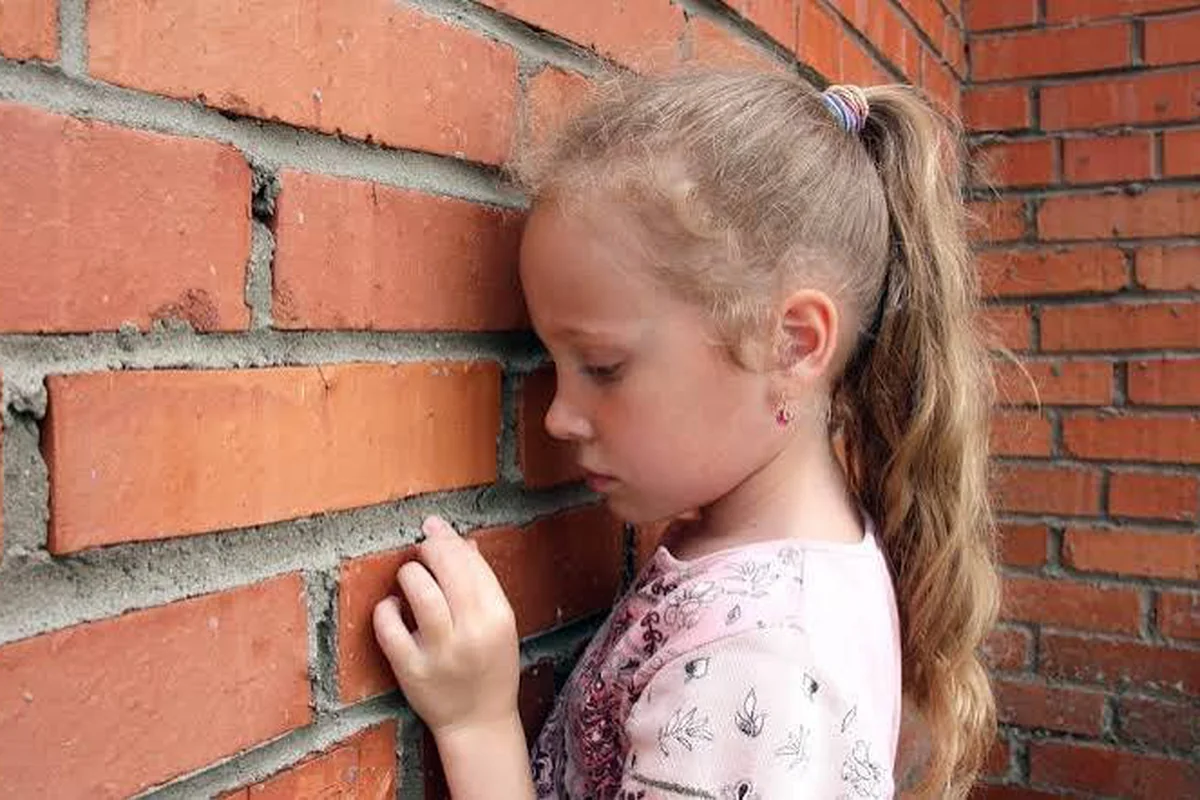
Your child gives up so easily because their brain is trying to protect them from the discomfort of failing, not because they are lazy or weak. What looks like quitting is usually low frustration tolerance, a fear of failure, or a belief that ability is fixed and cannot grow. The good news is that persistence is learnable, and much of it is shaped by what happens at home.
In my work as a psychologist, one of the patterns I see most often is a worried parent describing a capable child who folds the moment something gets hard. The child says “I can’t do it” before they have really tried, pushes the worksheet away, walks off from the puzzle, or melts down over a small mistake. Parents often arrive convinced something is wrong with their child’s character. It almost never is. Giving up is a signal, and once you understand what it is signaling, you can respond in ways that genuinely help.
What “Giving Up Easily” Actually Means
When your child abandons a task at the first sign of difficulty, several things may be happening under the surface. It helps to name them, because each one calls for a slightly different response.
Low frustration tolerance is the most common driver in younger children. Frustration is an uncomfortable body state, and children who have not yet built the capacity to sit with that feeling will do the fastest thing to make it stop, which is usually to quit. This is closely linked to how a child manages difficult emotions in general, which is why some of the same children also struggle with big reactions. If that sounds familiar, you may recognize your child in this piece on why your child gets so angry over small things.
A fixed mindset is the belief that intelligence and ability are set traits you either have or do not have. A child who thinks this way reads difficulty as evidence that they are “not smart,” so quitting protects them from that verdict. The opposite, a growth mindset, treats ability as something that expands with effort and strategy.
Fear of failure is when the discomfort is less about the task and more about what failing might mean, about disappointing you, looking foolish, or confirming a fear about themselves. For these children, not trying feels safer than trying and failing.
Learned helplessness develops after repeated struggle that did not seem to pay off. If effort has not reliably led to success in the past, a child eventually concludes that trying is pointless and stops before they start.
Most children who give up too easily show some blend of these. And crucially, several of them are shaped by the emotional environment at home, especially by how we talk about effort, mistakes, and failure.
How Home Quietly Shapes Whether a Child Persists
This is the part that surprises parents most, and it is also the most hopeful, because it is the part you can influence.
Person-praise versus process-praise
How we praise children matters more than how much we praise them. When we praise the person or a fixed trait, saying things like “You’re so clever” or “You’re a natural,” we accidentally teach the child that their worth rests on a quality they cannot control. So when they later hit something hard, struggling feels like losing that identity.
Praising the process, meaning the effort, the strategy, the sticking-with-it, teaches the opposite. A study following children found that parents who used more process praise with toddlers had children with stronger incremental mindsets and better fourth-grade academic achievement years later. The pattern shows up even earlier: research on infants found that process praise linking trying and success was associated with greater persistence on difficult tasks.
It is worth knowing that even effort praise can backfire when it is aimed at the person rather than the action. One study found that being called a hard worker had negative effects for adults after a failure, because “hard worker” becomes yet another fixed label to lose. The safest target for praise is always the specific thing the child did, not who they are.
”Easy” reassurance can backfire too
Many of us, trying to be kind, tell a struggling child “It’s easy” or “Don’t worry, you’re great at this.” It sounds supportive, but research on praise and feedback found that telling children a task was easy undermined their persistence and self-evaluation when they then struggled. If it was supposed to be easy and they found it hard, the only conclusion left is that something is wrong with them.
Your own relationship to your child’s failure
Here is the factor I most want parents to sit with. Children read our faces and bodies when they stumble, and they absorb what failure seems to mean to us.
A landmark study found that parents’ own views of failure, not their beliefs about intelligence, predicted whether their children developed fixed or growth mindsets. Parents who saw failure as harmful had children who were more likely to believe ability is fixed, largely because of how those parents reacted in the moment.
You can read the details of that work on how parents’ views of failure predict children’s mindsets. If your child’s mistakes trigger anxiety in you, that anxiety leaks out through the small ways you swoop in, correct, or look worried. Fear of failure can travel between generations this way; research on the intergenerational transmission of fear of failure suggests children learn to fear failing partly by watching how the adults around them respond to it.
None of this is meant to add guilt. It is meant to point you toward leverage. If your reaction to failure is part of the loop, then softening your own relationship to mistakes becomes one of the most powerful things you can do.
What To Do When Your Child Gives Up Easily
Here is the shift I coach parents toward. The goal is not to eliminate frustration, it is to help your child build the tolerance to move through it. These steps work together over time.
-
Praise the process, not the trait. Swap “You’re so smart” for “You kept trying different ways until you figured that out.” Notice the strategy, the effort, the choice to stay with something hard. Aim praise at what they did, never at who they are.
-
Model struggling out loud. Let your child see you find something difficult and stay with it. Say it plainly: “Hmm, this is tricky, let me try a different way.” When children watch a calm adult tolerate frustration, they borrow that regulation before they can generate their own.
-
Treat mistakes as ordinary information. React to errors with curiosity rather than alarm. “Interesting, that didn’t work, what could we change?” Normalizing mistakes is central to resilience, which is why I often point parents to this piece on children and mistakes as a normal part of growing up.
-
Do not rescue too fast. When a child says “I can’t,” the instinct to jump in and fix it is strong. But every rescue quietly confirms that they could not have done it. Pause. Offer one small hint rather than the whole solution, and let them take the next step themselves.
-
Let them sit with manageable frustration. The key word is manageable. Match the challenge so it stretches without overwhelming. Stay nearby, name the feeling, and let them experience that the hard feeling passes and effort can move things forward. This is how frustration tolerance is built, one survivable struggle at a time.
A quick note on the “I can’t do it” moment, because that is where parents feel most stuck. In real time, lead with the feeling before the fix. “This is frustrating, I get it.” Then shrink the task: “You don’t have to finish the whole thing, just the first line.” You are teaching two lessons at once, that hard feelings are bearable and that big things get done in small pieces.
If your child is also unusually critical of themselves when they struggle, calling themselves stupid or bad at everything, that self-talk deserves gentle attention on its own. This piece on when your child is too hard on themselves walks through how to respond without simply arguing them out of the feeling.
Not sure where your child’s patterns fall, or which of these shifts matters most for your family right now? A short structured check can give you a clearer starting point.
Take the Free Parenting Checklist
Building Persistence Is a Long Game, Not a Fix
I want to close by reframing what you are actually working toward. The aim is not a child who never quits and powers through everything, which is neither realistic nor healthy. The aim is a child who trusts that difficulty is normal, that mistakes are information, and that their effort has a say in how things turn out.
That trust is built in hundreds of small moments, most of them ordinary. It grows every time you narrate your own struggle instead of hiding it, every time you resist rescuing and let them find the next step, every time you stay curious about a mistake rather than dismayed. Over time, these moments teach a child that they can face hard things, which is the foundation of the bold, self-directed choices you want them to make later. If that longer arc interests you, this piece on helping kids move from bouncing back to bold decision-making picks up exactly there.
If your child gives up too easily right now, it is not a verdict on your parenting or on their future. It is a starting point. Children are remarkably responsive to shifts in how the adults around them frame effort and failure, and the changes that help most are usually small, repeatable, and entirely within your reach. Start with your own reaction to their stumbles, keep the challenges manageable, and let them feel, again and again, that trying was worth it.
FAQ
Frequently Asked Questions
Why does my child give up so easily on everything, even things they used to enjoy?
When giving up spreads across many activities, it often points to a broader pattern, not a specific skill gap. Your child may have developed a fixed belief that ability is fixed, or may be protecting themselves from the discomfort of failing. Repeated struggle without support can also lead to learned helplessness, where a child stops trying because past effort did not seem to change the outcome. Look at how effort and mistakes are talked about at home, and start rebuilding small experiences of earned success.
What should I do in the moment when my child says 'I can't do it'?
Resist the urge to either rescue them or push harder. Name the feeling first ('This is frustrating, I can see that'), then narrow the task to one manageable next step. Avoid solving it for them immediately. A short pause where they sit with mild frustration, with you nearby, teaches their nervous system that hard feelings are survivable and that effort can move things forward.
Is praising my child a bad thing?
Praise is not the problem. The type of praise matters. Praising the person or a fixed trait ('You're so smart') can make children more fragile after failure. Praising the process, meaning the strategy, effort, and persistence, is linked to stronger mindsets and better long-term outcomes. Aim your praise at what your child did and chose, not at who they are.
Could my own reaction to my child's failure be making this worse?
Yes, and this is one of the most overlooked factors. Research shows parents who view failure as harmful tend to raise children with more fixed mindsets, largely through subtle reactions like anxiety or rushing to fix things. Fear of failure can also be passed down through everyday interactions. Working on your own relationship to mistakes is often the highest-leverage change you can make.
When should I seek professional support for a child who gives up easily?
If your child's avoidance is spreading across school, friendships, and home, if they talk harshly about themselves, or if the frustration comes with lasting sadness, anxiety, or withdrawal, it is worth speaking to a psychologist. Early support can interrupt patterns before they harden into how a child sees themselves.