
Parenting
Why Your Child Gets So Angry Over Small Things
The shoe that won't tie. The wrong cup. The meltdown that feels way too big for the moment. Here's what's actually going on.
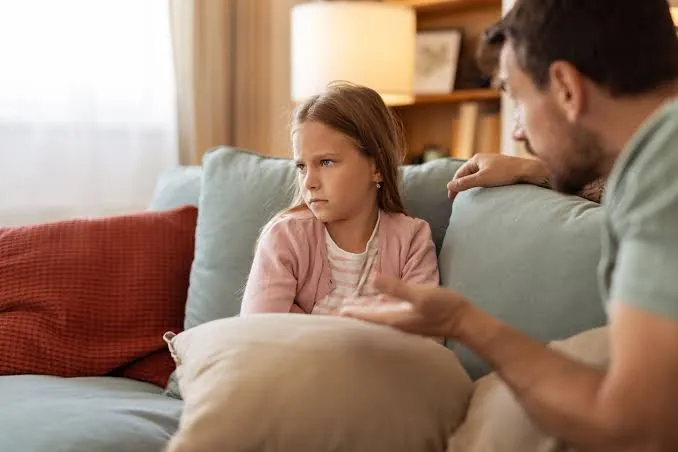
The Banana That Broke in Half
In my practice, I often sit across from parents who look tired in a way that sleep alone cannot fix. They describe a child who screamed for twenty minutes because a banana broke in half. Or because a sock seam sat wrong against a toe. Or because a sibling breathed too loudly in the car.
The details change. The bewilderment does not.
What I notice, sitting with these parents, is that they are not really asking me why the banana was a problem. They are asking me something deeper. They are asking whether the intensity they are witnessing means something is broken, either in the child or in themselves as parents.
That question is the right one to sit with. But the answer is almost never what they expect.
When the Small Thing Is Not the Thing
Here is what I find myself explaining often: the small thing is never the thing.
When a child explodes over a broken cracker or a slightly wrong shade of cup, the trigger is not the cracker or the cup. Those are just the last straw. The anger that pours out has been building, often for hours, sometimes for days. The broken cracker is simply the moment the internal pressure exceeded the child’s capacity to hold it.
Think of it like a glass filling with water. All day long, small stressors drip in. A tricky math problem at school. A friend who sat with someone else at lunch. A rough transition from recess to the classroom. A parent who seemed rushed and distracted during the morning routine. Each drip is manageable on its own. But the glass does not get emptied between drips. So it fills.
Then the cracker breaks. And the glass overflows.
What you see in that moment is not a child overreacting to a cracker. It is a child whose emotional regulation system has been quietly working overtime all day, and who has finally run out of bandwidth.
Research on emotional dysregulation in children and adolescents supports this framing, showing that what appears as sudden, disproportionate anger often reflects an accumulation of regulatory demands that exceed the child’s current coping capacity.
This is why the same cracker breaking on a calm Saturday morning might produce a shrug, while on a Tuesday after a hard school day it produces a meltdown. The cracker did not change. The child’s internal state did.
But Why Is My Child’s Glass So Full?
This is the question parents ask me next, and it is an important one. Because it is true that some children seem to have larger glasses than others. Some children can absorb a remarkable amount of frustration without cracking. Others seem to overflow at the second or third drip.
So what fills the glass? And why do some children fill faster?
Part of the answer is temperament. Children arrive in the world with different baseline sensitivities. Some are naturally more reactive to sensory input, to changes in routine, to emotional stimuli. This is not a flaw. It is a neurological difference. But it does mean the glass starts smaller, or fills faster, or both.
Part of the answer is developmental stage. Young children simply do not have the brain architecture yet to regulate emotions the way adults do. The prefrontal cortex, which plays a central role in emotional regulation, matures slowly. It is not fully developed until well into the twenties. So when we ask a five-year-old to manage disappointment gracefully, we are asking a system that is genuinely still under construction to perform a function it cannot yet reliably perform.
Part of the answer is what is happening in the child’s life right now. A child who is dealing with a new sibling, a school transition, a friendship struggle, a parent’s increased work stress, or even an exciting but demanding event like a birthday party is operating with less regulatory capacity. The glass is already half full before the day even begins.
And for some children, there are additional factors to consider. Research has found that children with attention-deficit hyperactivity disorder experience significantly higher rates of emotion dysregulation than their peers, as documented in a meta-analysis on ADHD and children’s emotion dysregulation. This does not mean every child who has big reactions has ADHD. But it does mean that for some children, the intense anger is connected to an underlying difference in how their brain processes and manages emotional signals.
The Question Behind the Anger
When I sit with parents and we talk through what is happening, I often ask them to shift their attention. Instead of asking why the child is so angry, I invite them to ask what the anger is communicating.
Anger is rarely a primary emotion. It is usually a cover for something more vulnerable underneath. A child who feels scared but does not have the words to say “I am scared” may show you anger instead. A child who feels rejected by a friend at school may come home and rage at a parent over something trivial. A child who feels overwhelmed by the demands of the day may collapse into fury when the zipper gets stuck.
The anger is loud. The feeling underneath is quiet. And because the anger is so loud, it is what everyone responds to. The child gets labeled as angry. The parent reacts to the anger. The underlying feeling goes unaddressed, which means the glass does not get emptied. It just carries over to the next day.
This is one of the patterns I notice most often in my work. The cycle repeats not because anyone is doing something wrong on purpose, but because the loud emotion keeps getting all the attention while the quiet emotion keeps doing all the damage.
What Is Actually Happening in Your Child’s Brain
Let me walk you through what is happening inside your child during one of these moments, because understanding the mechanics can change how you feel about the behavior.
When a child encounters a stressor, even a small one, the brain’s alarm system activates. This is the amygdala, a structure deep in the brain that functions like a smoke detector. It does not think. It reacts. When it perceives a threat, whether that threat is a tiger in the bushes or a broken cracker, it sends the body into a stress response. Heart rate increases. Breathing changes. Muscles tense. The child is now physiologically primed for action.
In a mature brain, the prefrontal cortex steps in almost immediately. It assesses the situation. It says, this is not a tiger, this is a cracker. It calms the alarm system down. The child takes a breath, feels the frustration, and moves on.
In a child’s brain, this handoff from alarm to reasoning is slower, rougher, and sometimes does not happen at all. The amygdala fires. The prefrontal cortex tries to catch up but cannot. The child is now flooded with a physiological stress response and has no internal system strong enough to modulate it.
This is why reasoning with a child in the middle of a meltdown does not work. The part of the brain that processes reasoning is essentially offline. You are talking to an alarm system, not a thinking brain.
This is also why your presence matters more than your words in that moment. A calm, regulated adult literally helps the child’s nervous system settle. Through a process called co-regulation, your steady state communicates safety to the child’s alarm system. The child does not need you to fix the cracker. The child needs your nervous system to tell their nervous system that everything is going to be okay.
What Do I Do in the Moment?
This is the question every parent asks. And while there is no script that works perfectly every time, there is a sequence that tends to help.
Regulate yourself first. Before you say or do anything, check your own body. Are you holding your breath? Are your shoulders up near your ears? Is your jaw tight? Take a breath. Drop your shoulders. This is not a luxury step. It is the most important one. If you are dysregulated, you cannot help your child regulate. Two overwhelmed nervous systems will amplify each other. One calm nervous system can settle the other. If staying calm under this kind of pressure is something you struggle with, you may find it helpful to read about staying calm amid parenting chaos and building your own emotional resilience as a foundation.
Get down to their level. Physically lower yourself so you are at or below your child’s eye level. This reduces the power dynamic and signals safety. A towering adult over a small child in distress can feel threatening even when the adult is gentle.
Say less than you think you should. When a child is flooded, language is not their friend. Long explanations, lectures, or even well-meaning questions can add to the overwhelm. Use short, calm phrases. “I am here.” “You are safe.” “I can see this is really hard.” That is often enough.
Name the feeling, not just the behavior. Once the child is beginning to settle, even slightly, you can try reflecting what you see. “You seem really frustrated.” “That disappointed you.” “You wanted things to go differently.” This is not about getting the child to talk. It is about giving the experience a name, which helps the brain begin to organize it.
Do not jump to problem-solving. This is the most common misstep I see. The child is still upset, and the parent is already offering solutions. “We can get another cracker.” “We can fix the sock.” The child cannot process solutions while they are still in the stress response. Wait. Let the storm pass. Problem-solving comes later, sometimes much later, when the thinking brain is back online.
Repair after, not during. Once your child is calm, you can revisit what happened. Not to lecture, but to connect. “That was really hard, wasn’t it? I noticed you got really upset when the cracker broke. I wonder if something else was bothering you today too.” This is where the real work happens. This is where you help the child begin to understand their own glass.
What Am I Doing Wrong?
I want to pause here, because this is the question I hear underneath so many of the conversations I have with parents.
The answer, in most cases, is nothing. You are not doing something wrong. Your child is not broken. You are watching a developing system do exactly what developing systems do, which is to sometimes get overwhelmed and show you, loudly, that it cannot cope.
The instinct to fix, to correct, to find the thing you are doing wrong, comes from a good place. It comes from love. It comes from wanting your child to be okay. But it can also become its own source of dysregulation, because a parent who is constantly scanning for their own mistakes is a parent who is living in a low-grade state of anxiety. And children feel that.
What I often invite parents to consider is that the goal is not to prevent their child from ever getting angry. The goal is to become the person the child can be angry around safely. That is a different goal entirely. It takes the pressure off preventing outbursts and puts the focus on what happens during and after them.
There is growing interest in whether gentle parenting approaches, which emphasize emotional validation and co-regulation over punishment and control, actually produce better outcomes. The research is encouraging, particularly around the long-term development of emotional regulation skills.
The Work That Happens in the Calm
In-the-moment strategies are necessary, but they are not the whole picture. The bigger work happens in the calm spaces between outbursts. This is where you help your child build the skills that will eventually make the meltdowns less frequent and less intense.
Build an emotional vocabulary. Many children get angry because they do not have words for what they actually feel. If the only feeling word a child knows is “mad,” then every frustration, disappointment, embarrassment, anxiety, and sadness comes out as anger. You can help by naming feelings in everyday life, not just during hard moments. “You look proud of that drawing.” “That seemed to frustrate you.” “I think you might be feeling nervous about tomorrow.” Over time, the child begins to internalize these words and use them.
Create predictable routines. Children’s nervous systems feel safer when they can predict what is coming. Transitions are a common trigger because they represent unpredictability. Routines do not eliminate difficult moments, but they reduce the baseline level of stress the child is carrying. Fewer unexpected drips in the glass.
Practice regulation during calm moments. You cannot teach a child to take a deep breath for the first time when they are in the middle of a meltdown. You teach it when they are calm and happy. Make it a game. Practice together. Talk about how breathing helps the body feel safe. Then, when the child is upset, the skill is already familiar. You are not introducing something new. You are calling on something practiced.
Identify patterns together. As children get older, you can begin to explore patterns with them. “I notice you often get really upset after school on Tuesdays. I wonder if that day feels extra tiring for you.” This is not an interrogation. It is a collaborative exploration. You are helping the child become a curious observer of their own experience.
Protect downtime. Many children are simply doing too much. Their glasses are full because their lives are full. Quiet, unstructured time is not wasted time. It is the time when the nervous system recovers and the glass empties. Guard it.
When the Patterns Raise Questions
I want to be careful here, because I do not want to pathologize normal childhood behavior. Anger in children is normal. Intense anger in children is normal, particularly during certain developmental stages. The fact that your child has meltdowns does not mean something is wrong.
That said, there are patterns that are worth paying attention to, not because they necessarily indicate a disorder, but because they may signal that additional support would help your child and your family.
These might include:
- Frequency that feels unmanageable, where outbursts are happening multiple times a day, most days
- Intensity that feels dangerous, where the child is hurting themselves or others, or destroying property
- Duration that feels disproportionate, where a meltdown lasts an hour or more and the child cannot seem to recover
- Patterns that appear across settings, where the anger shows up not just at home but at school, with grandparents, in public
- A sense that the child is suffering, not just the adults around them
None of these patterns alone means something is wrong. But together, they paint a picture of a child who is struggling more than typical development would predict, and who might benefit from professional support.
If you are reading this and recognizing your child in several of these patterns, please know that reaching out for help is not an admission of failure. It is an act of care. Sometimes the most useful thing a professional can do is help you understand what is filling your child’s glass and give you specific, tailored strategies for your particular child and family.
For parents who want to reflect further on their own patterns, staying calm and patient as a parent is a practice that compounds over time and changes the emotional climate of the home.
What If the Anger Is Directed at Me?
This is one of the harder things parents bring to sessions. The child who saves their worst behavior for the parent. The child who is an angel at school and a tornado at home.
This is actually a sign of secure attachment, though it does not feel like one in the moment. The child holds it together all day at school because school is not a safe place to fall apart. The adults at school are not the safe adults. The child uses every bit of regulation they have to manage in that environment. Then they come home, to the person who is safest, and they let go.
It is painful. It is exhausting. And it is, in a strange way, a compliment. Your child trusts you enough to show you the worst of what they are carrying.
This does not mean you have to accept being hit or screamed at. It means understanding that the behavior at home is not a reflection of your parenting failing. It is a reflection of your child using you as their release valve, which means they experience you as their safe space.
Sitting With the Discomfort
I want to end where I often begin in conversations with parents, which is with the feeling itself.
Watching your child be angry is uncomfortable. It activates something in you. Maybe it is your own history with anger, in your family of origin or in yourself. Maybe it is the worry about what other people think. Maybe it is the grief of imagining your child struggling and not knowing how to fix it.
All of these feelings are valid. And all of them are worth sitting with, not just pushing away.
The parents I see who seem to navigate this most skillfully are not the ones who have perfect strategies. They are the ones who have learned to tolerate their own discomfort long enough to stay present with their child. They have accepted that they cannot control their child’s emotions, only their own response to them. And they have decided that being a calm, steady presence is more important than being a perfect one.
Your child is not giving you a hard time. Your child is having a hard time. And the difference between those two framings is the difference between reacting to the anger and responding to the child.
That shift takes time. It takes practice. It takes support. And it is, I believe, one of the most important things you can do for your child’s emotional development.
FAQ
Frequently Asked Questions
Is it normal for my child to have big reactions to small things?
Yes. In young children, the brain systems responsible for emotional regulation are still developing. What looks like an overreaction to you is often a developmentally normal response to a feeling the child doesn't yet have the skills to manage.
When should I be concerned about my child's anger?
Occasional outbursts are normal. Consider seeking professional support if anger is frequent, intense, lasts a long time, involves aggression toward others or self, or is disrupting daily life like school and friendships.
How should I respond when my child is having an angry outburst?
Focus on staying calm yourself first. Your regulated presence is the most powerful tool. Validate the emotion, help the child name what they're feeling, and wait for the storm to pass before trying to reason or problem-solve.