
Parenting
The Chicken Puff Principle
A personal story on how small, weekly one-on-one time with family compounds like interest, and why the longer you wait the smaller the principal becomes.
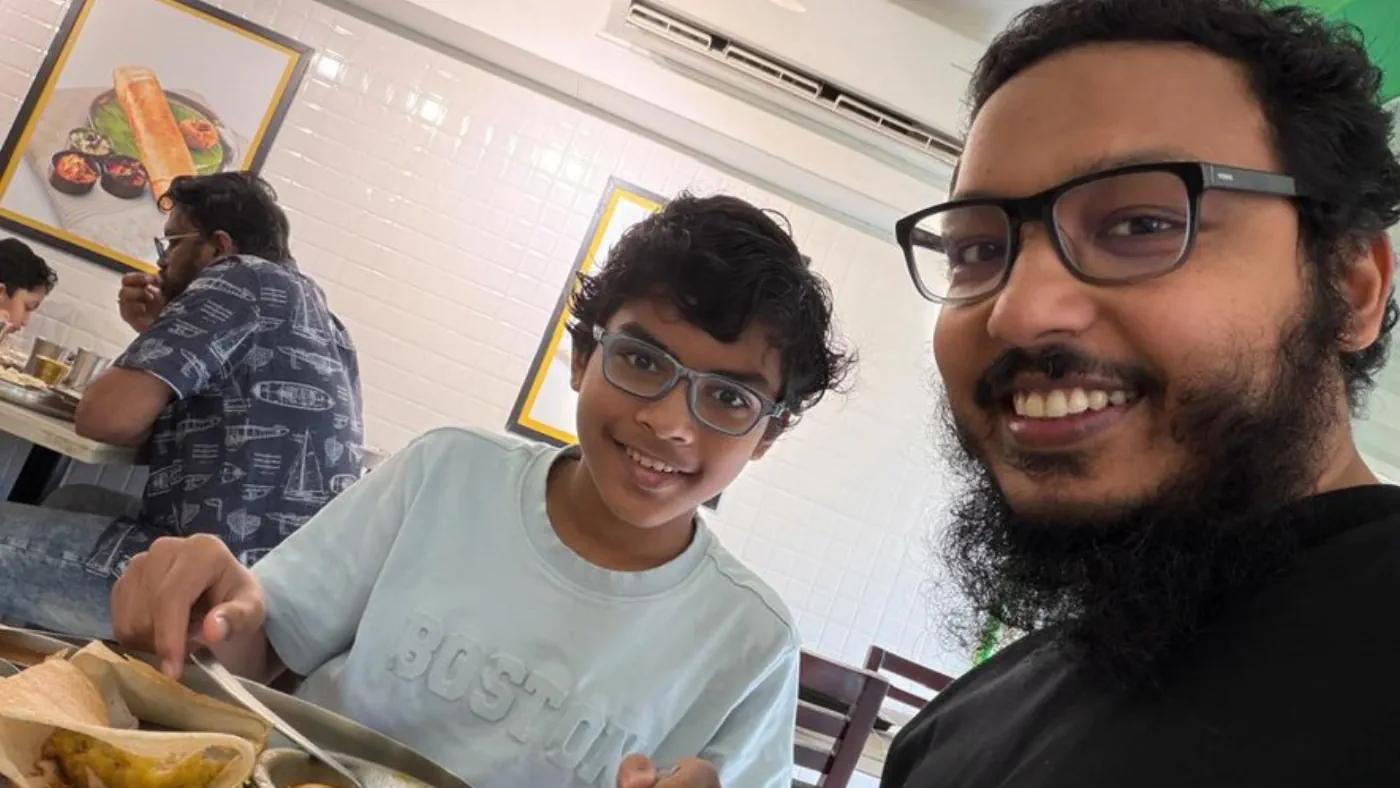
We always think we’ll get to it next time.
Next promotion. Next milestone. After this project. After this restructuring. The logic feels airtight in the moment. I’m doing all of this FOR them anyway. Everything I’m building, every late night, every version of myself I’m offering to work, it’s for the family. That’s the story. And it’s true. And it’s also how family ends up behind the curtain.
This is the invisible imbalance. Those of us carrying serious professional weight, mid to senior level, the people who are never really off, we live in this strange tension where the very people we’re working for become the ones we keep postponing. Not out of neglect. Out of a kind of tragic arithmetic where family always feels like it can wait and the inbox never does.
I’ve been thinking about this a lot. Not as a critique. As a confession.
When my family was just starting, when we were nearly broke, when luxury meant a Friday trip to the bakery in that small town where I was an assistant professor, we did something small. We bought chicken puffs. Every Friday. It sounds like nothing. It was everything. That small ritual built something that compounded quietly for years, the way good things do when you’re not watching. Culture isn’t announced. It accumulates.
The compounding logic works exactly the same way with time. Smaller steps now pay off later. The problem is we don’t see the interest accruing. We only notice the deficit when it’s already large.
One practice I’ve kept, and I think about more the older I get: individual time with each member of the family. One-on-one. Not a group dinner, not a family outing, though those matter too. I mean: me and one child, or me and my partner, without the noise of everyone else around.
In a family of six, things sink in the chaos. Important things. Fine things. The person someone actually is gets diluted by group dynamics. The thing they’d say if it were just the two of you never gets said.
What I’ve learned, slowly, the hard way, is that this individual time only works if you don’t use it to teach. The moment you enter that hour as the parent with something to deliver, you’ve lost it. It becomes a performance. A lecture with a captive audience.
The only posture that works is listening. Real listening. Not listening so you can respond, but listening so you can understand what this person is actually carrying. Their concerns about the future. The things that confuse them. Where they feel stuck. What they’re afraid to say in a room full of siblings.
Every one of my children comes with a complexity I genuinely did not expect. Each one-on-one surprises me. I leave understanding something I didn’t know before, not about parenting, but about them.
That’s the investment. Not grand gestures. Not the quality time we imagine we’ll have “when things settle down.” The return on presence is not immediate. It compounds.
And the longer you wait to start, the smaller the principal.
A note from our consultant psychologist: “Children pace what they share by how present a parent looks, not how much time the parent is technically there. Brief, undistracted one-on-one moments do more for attachment and emotional regulation than longer outings packed with logistics. Parents who keep a small, predictable ritual with each child tend to find the relationship deepens faster than they expected.”
For a broader evidence base, research on family relationships and mental health and studies on parent-child attachment and long-term developmental outcomes are useful reference points.
FAQ
Frequently asked questions
How much one-on-one time per child is actually enough?
Even fifteen to twenty minutes a week per child, kept consistent, tends to do more than a single long outing every few months. Predictability is the active ingredient. Children settle into a rhythm of opening up when they know the time is coming again.
Should I bring an agenda or topics to discuss with my child?
No. Going in with a lesson to deliver turns the time into a performance and the child into a captive audience. Let them set the topic. The point is listening for what they are actually carrying, not instructing.
What if my child doesn't want to talk during our one-on-one?
Silence is part of the practice. Sit with them while they draw, walk, or eat. Children often open up at the edges of an activity rather than at the centre of it. Showing up consistently matters more than filling the time with conversation.
Does this work for teenagers and older children?
Yes, with a different shape. Teenagers usually need shorter, lower-pressure one-on-ones, like a short drive or a coffee run, rather than long structured sessions. The compounding logic is the same: small, regular presence beats occasional grand gestures.
My partner and I both work demanding jobs. How do we realistically fit this in?
Treat it like any commitment that compounds. Put it on the calendar, protect it from work creep, and trade off across the week so each parent gets dedicated time with each child. Even one short ritual per week per parent, sustained, will outperform unscheduled "quality time."
Updated on June 10, 2026