
Parenting
Child Being Bullied at School? A Parent's Step-by-Step Guide to Action
A psychologist's calm guide for a child being bullied at school: silent signs, the first 24 hours, the 3 R's, working with the school, and what not to do.
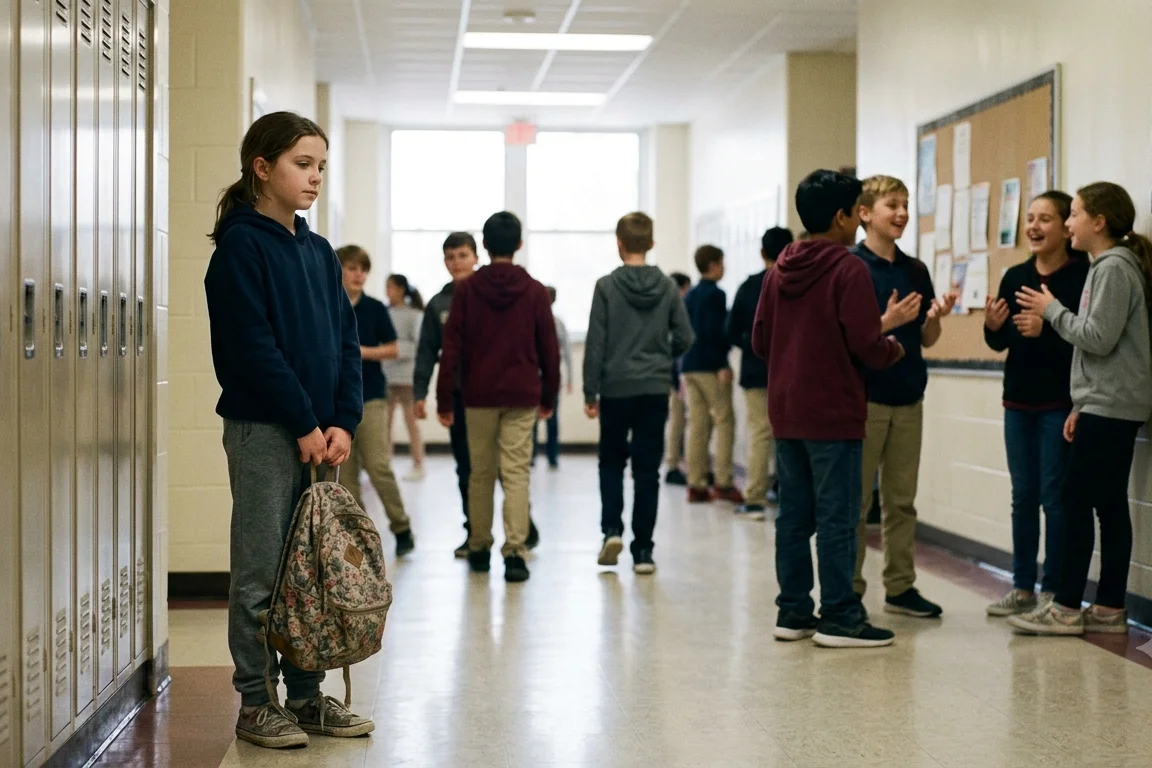
Few things unravel a parent as quickly as the realization that someone is hurting their child and they weren’t there to stop it. In my work as a psychologist, the families who come to me about bullying almost always arrive carrying the same tangle of feelings: anger, helplessness, and a quiet grief for the confident child who seems to be slipping away. If you are reading this because you suspect a child being bullied at school, take one breath before you do anything else. Your job over the next days is not to fix everything in an afternoon. It is to become the steady ground your child can stand on. Let me walk you through what to do if your child is bullied, what to avoid, and the deeper things the quick online summaries tend to skip.
First, Learn the Language: The 3 R’s of Bullying
When parents ask me for something they can actually hold onto in a stressful moment, I point them to the 3 R’s of bullying: Recognize, Respond, Report. Recognize means naming what is happening as bullying rather than shrugging it off as “kids being kids.” Respond means the calm, deliberate way you show up for your child once you know. Report means bringing it to the people and systems with the power to stop it. Keep those three words in your pocket. Everything below hangs on that spine.
Recognize: The Child Who Won’t Tell You
Here is the hard truth I see again and again: the children who are most hurt are often the least likely to say so. They feel ashamed, they fear making it worse, or they simply don’t have the words. So you have to read what they cannot say.
Watch for the body speaking first. Stomachaches and headaches that appear on school mornings and vanish on weekends. Trouble sleeping, or nightmares. Belongings that come home damaged, missing, or “lost” over and over. Then watch the behavior: grades sliding, a sudden loss of interest in things they loved, withdrawing to their room, or the quiet dread that can make a child suddenly beg to stay home from school. Some children stop talking about friends altogether, and over weeks you notice how a child can slowly pull back until it seems like they have no friends left.
And there are the reasons a child clams up and won’t tell you what really happened in their day, which is why silence is not the same as safety.
Teasing, Conflict, or Bullying?
Parents often ask me whether they are overreacting to a child being teased at school. This distinction matters. Normal peer conflict happens between kids of roughly equal power, is usually accidental or occasional, and both children feel bad afterward. Bullying is different: there is a power imbalance, it is repeated, and it is intentional. In fact, research on bullying draws a firm line between ordinary peer conflict and true bullying, which involves repetition and a real imbalance of power. Playful teasing that both children enjoy is not bullying. Teasing that is one-sided, cruel, and keeps happening despite your child’s distress is.
If your child dreads a person, a place, or a time of day, and it keeps happening no matter what they do, treat it as bullying until proven otherwise.
Respond: What the First 24 Hours Should Look Like
Once your child tells you, or you piece it together, the first day sets the tone for everything after. Your child is watching your face to decide whether telling you was safe.
Stay calm and listen without rushing to fix. If you erupt in anger, storm toward the phone, or fire off ten questions, many children panic and shut down, terrified they have made things worse for you both. Slow down. Let them talk.
Validate and remove the blame, out loud. The single most important sentences are simple: “Thank you for telling me. This is not your fault.” Say it plainly. Children absorb shame quickly and it lodges deep; research shows that being bullied leaves real marks on a child’s mental and physical health, not just passing hurt feelings, and self-blame is often at the center of that damage.
Document before you act. Before you contact anyone, write it down: dates, times, names, what was said or done, who witnessed it, and screenshots of any online messages. Calm documentation turns a frantic accusation into an undeniable record, and it is the difference between a school that listens and one that stalls.
Report: Working With the School to Actually Stop It
Here is where good intentions often fizzle. A worried parent catches a teacher at pickup for a two-minute chat, feels briefly reassured, and nothing changes. Don’t do the drop-off conversation.
Request a formal, written meeting. Email the class teacher and a school leader, state that you want to discuss bullying, and ask for a scheduled meeting with notes taken. This creates a paper trail.
Lead with your documented facts, not your emotions. Walk in with your log. Then ask the one question that shifts the room from sympathy to action: “What is the school’s safety plan to keep my child safe starting today?” You are not asking whether they will help. You are asking how and when.
This matters because research shows well-designed, whole-school anti-bullying programs genuinely reduce how often bullying happens. Schools have tools. Your job is to hold them accountable for using them.
The Harder Case: When Your Child Is Being Bullied by a Teacher
Sometimes the person harming your child is the adult in charge of the room. A child being bullied by a teacher faces a power imbalance that is far more crushing, because the very person who is supposed to protect them is the threat, and children rarely believe they will be believed.
When this happens, the escalation path changes. You go above the teacher, straight to the principal or head of school, and if needed to the district or governing board. Document everything in writing, with dates and specific words used, and put your concerns in email so there is a formal record. Most of all, tell your child clearly: an adult treating you this way is never your fault, and it is not something you deserved by being “difficult” or “too sensitive.” That reassurance protects their sense of self while you handle the system.
What NOT to Do (These Mistakes Matter as Much as the Steps)
Do not contact the bully’s parents directly. I know the impulse is fierce. But these conversations almost always inflame. The other parent gets defensive, the story becomes he-said-she-said, and your child can face retaliation with no protective structure around them. Let the school mediate; that is what the formal channel is for.
Do not tell your child to “just hit them back.” It feels like handing them power, but it usually escalates the danger, often gets your child punished, and teaches that the bigger fist wins. Children who are already vulnerable rarely come out ahead in a physical fight, and the message that violence solves the problem can follow them for years.
Rebuilding Confidence and Safety
Stopping the bullying is only half the work. The other half is repairing what it eroded, because research shows repeated peer victimization slowly wears down a child’s self-esteem and spills into how they cope and behave.
Teach calm boundary scripts. Bullies feed on the emotional reaction. Practice, at home, short, flat, powerful lines your child can use: “Stop. I’m not listening to this,” then turning and walking toward a teacher or friend. The goal is not a comeback; it is denying the bully the payoff they are hunting for.
Build an offline social safety net. When a child’s entire sense of belonging is tied to one classroom, a hostile classroom feels like the whole world. A sport, an art class, a club, a group outside school gives them somewhere to be valued and reminds them their worth is not decided by the people hurting them.
Know when to bring in a professional. If you see ongoing anxiety, panic about school, persistent low mood, trouble sleeping, or any talk of self-harm, seek support from a psychologist. These are signs the wound has gone deeper than day-to-day coping can reach.
Take the Free Parenting Checklist
You Are Their Safe Harbor
Of everything I tell the families I work with, this is what I want you to hold onto most tightly: research shows a parent’s steady, believing support is one of the strongest buffers protecting a bullied child from lasting harm. You will not always be able to control the school, the classmates, or how fast things improve. But you can control the fact that when your child comes home, they land somewhere calm, believed, and unconditionally on their side. That is not a small thing. In the long story of their recovery, it may be the biggest thing of all.
FAQ
Frequently Asked Questions
What should I do if the school refuses to take action against the bully?
Escalate in writing and up the chain: move from the class teacher to the principal, then to the district, board, or education authority, attaching your documented log of incidents. Ask each level directly, in email, what safety plan they will put in place and by when, so their inaction is on record. If the school still fails to protect your child, you have grounds to involve external bodies or seek legal advice, and your paper trail becomes essential.
Should I move my child to a different school if the bullying continues?
Changing schools is sometimes the right choice, especially when the bullying is severe, the school refuses to act, and your child's mental health is deteriorating. But it is a last resort rather than a first move, because a change of environment doesn't teach coping skills and can feel to the child like they were the problem. Weigh it alongside your child's own wishes and, ideally, the input of a psychologist who knows their situation.
How do I handle cyberbullying that happens after school hours?
Screenshot and save everything with dates before you do anything else, then report the content to the platform and, importantly, to the school, since most schools now have authority over online bullying that affects the child's wellbeing at school. Avoid deleting messages or having your child fire back, as both can worsen the situation. Help your child set boundaries like muting or blocking, and keep devices out of the bedroom at night so the harassment can't follow them into sleep.
What are the 3 R's of bullying?
The 3 R's are Recognize, Respond, and Report. Recognize means naming the behavior as bullying rather than dismissing it as normal conflict; Respond means reacting calmly and supportively so your child feels safe and blame-free; and Report means bringing it to the school and other authorities who have the power to intervene. It's a simple framework to keep you steady and purposeful when emotions are running high.