
Relationships
When Love Feels Difficult: Understanding Emotional Needs in Relationships
Couples who love each other can still feel unheard. What emotional needs are, why partners misread each other, and practical ways to build a stronger emotional connection.
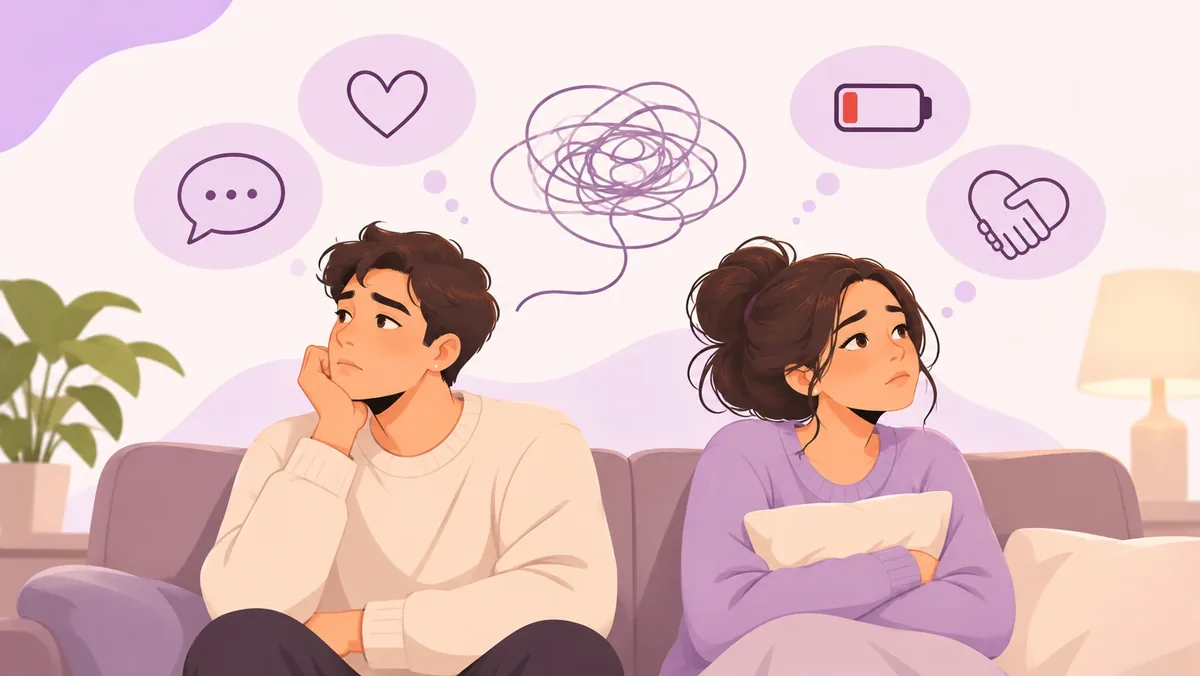
Love brings two people together, but it is understanding that keeps them connected. Many couples who genuinely love each other still feel unheard, not because love is missing, but because each partner expresses and experiences emotional needs differently. Learning what your partner needs, and saying clearly what you need, is often where a stronger relationship begins.
Love is often described as the feeling that brings two people together. But maintaining a healthy relationship takes more than love alone. It involves understanding, communication, emotional safety, mutual respect, and a willingness to grow together.
Even couples who love each other deeply can experience misunderstandings, repeated arguments, emotional distance, or the feeling of not being heard. Understanding why can be an important step towards a healthier and more fulfilling relationship.
What are emotional needs in a relationship?
Emotional needs are the psychological experiences that help us feel valued, secure, understood, and connected to our partners. They vary from person to person, but common examples include:
- Affection
- Appreciation
- Trust
- Acceptance
- Reassurance
- Independence
- Meaningful communication
For one person, spending quality time together is an important expression of love. For another, practical support or words of appreciation carry more meaning.
Problems can arise when partners assume the other person experiences love in exactly the same way they do. One partner may believe that providing financial stability shows commitment, while the other feels emotionally neglected because meaningful conversation and affection are missing.
Neither perspective means one partner cares more than the other. The difficulty often lies in the gap between how love is expressed and how it is received.
Why do couples struggle to understand each other?
1. Different expectations
Each of us enters a relationship with expectations shaped by our family, personal values, past relationships, and culture. These might concern communication, responsibilities, affection, money, or time spent together. When expectations stay unspoken, partners feel disappointed when the other doesn’t respond as hoped. Saying them out loud allows couples to understand each other and negotiate realistic agreements.
2. Unexpressed emotional needs
Sometimes we expect our partners to recognise our feelings without our having to explain them. When that doesn’t happen, disappointment can turn into frustration or resentment.
For example, a person who feels unsupported may say, “You never care about me,” when what they actually need is more help with daily responsibilities, or more emotional reassurance. Learning to name the specific need beneath a complaint makes conversations far more constructive.
3. Repeated patterns of conflict
Couples can get caught in recurring cycles. One partner seeks reassurance by asking more and more questions, while the other withdraws because they feel criticised or overwhelmed. The withdrawal increases the first partner’s anxiety, so they pursue the conversation more intensely, and the other pulls back further. Psychologists often describe this as a pursue-withdraw (or demand-withdraw) pattern.
Over time, both partners feel misunderstood, even though each is simply responding to their own emotional discomfort. Recognising the cycle helps couples shift from blaming each other to understanding the pattern they have built together. If the same fight keeps coming back, why you keep having the same argument over and over explores this further.
4. Difficulty listening without becoming defensive
When one partner expresses hurt or dissatisfaction, the other may immediately explain their intentions, defend their actions, or point out the other’s mistakes. This usually comes from a wish to protect oneself, but it leaves the speaker feeling unheard.
Listening does not require agreeing with every statement. It means making the effort to understand the other person’s experience before responding.
How can couples build a stronger emotional connection?
Practise open and respectful communication
Use clear statements about your own feelings and needs rather than accusations.
| Instead of… | Try… |
|---|---|
| ”You never make time for me." | "I’ve been missing spending time with you, and I’d like us to plan some time together." |
| "You never care about me." | "I’ve been feeling unsupported lately. Could you help more with the evenings?” |
This communicates the concern without immediately putting your partner on the defensive.
Validate each other’s feelings
Emotional validation means acknowledging that another person’s feelings are real and meaningful to them. It does not mean agreeing with every interpretation or behaviour. Statements such as “I can understand why that situation hurt you” or “I want to understand what you experienced” open the door to more honest conversations.
Develop realistic expectations
Healthy relationships involve negotiation. Partners won’t always share the same preferences, energy levels, communication styles, or ways of showing affection. Talking about what each of you needs, what each of you can realistically offer, and where you can compromise builds a relationship on mutual understanding rather than unspoken demands.
Learn to manage conflict constructively
Disagreements are inevitable, but how couples handle them matters. When emotions become overwhelming, an agreed break can help both partners calm down. Make it clear that you will come back to the conversation. Silence used as punishment, or avoiding the issue indefinitely, does lasting damage (see what the silent treatment does to your relationship). When you return to the discussion, focus on the specific problem, listen to each other’s perspective, and work towards a practical solution.
Keep your individuality alongside your connection
A healthy relationship lets both partners keep their own interests, friendships, goals, and boundaries. Emotional closeness does not require constant agreement or giving up your identity. Respecting each other’s individuality builds trust and allows partners to connect by choice rather than obligation. If closeness has started to feel like pressure, feeling suffocated in a relationship may help.
When is professional support helpful?
Some relationship difficulties are hard to resolve alone, particularly persistent conflict, a loss of trust, emotional disconnection, or communication that keeps breaking down.
Couples therapy offers a structured space where partners can explore their interaction patterns, communicate more effectively, understand underlying concerns, and work towards shared goals. It also works. A meta-analysis of 58 studies and more than 2,000 couples, published in the Journal of Consulting and Clinical Psychology, found that couple therapy had a large positive effect on relationship satisfaction, along with clear improvements in communication and emotional intimacy, while couples on waiting lists did not improve.
The purpose of therapy is not to decide who is right or wrong. It is to help partners understand what is happening in the relationship and find healthier ways of responding. If you are unsure whether you need it, do we need couples counselling? walks through the signs, and Crink’s psychologists offer online couples counselling.
Where there is coercion, abuse, or a significant power imbalance, safety and individual support must come first. Couples work is not the right starting point in those situations. Is my relationship toxic? can help you recognise the warning signs.
Seeking professional help does not mean a relationship has failed. It can be a chance to address difficulties before they become entrenched.
Love needs understanding to grow
A healthy relationship is not one where two people always understand each other perfectly. It is one where both are willing to listen, communicate, reflect, and make a real effort to understand one another.
Love may bring people together, but emotional awareness, respect, accountability, and consistent effort keep them connected.
Instead of asking only, “Does my partner love me?”, it can help to ask, “How do we show care, understand each other’s needs, and respond when we struggle to connect?”
Sometimes, improving a relationship begins not with changing the other person, but with becoming curious about the patterns that shape how two people relate to each other. A stronger relationship is not built by eliminating every disagreement, but by learning to face difficulties with respect, understanding, and shared responsibility.
FAQ
Frequently Asked Questions
What are emotional needs in a relationship?
Emotional needs are the psychological experiences that help you feel valued, secure, understood, and connected to your partner. Common examples include affection, appreciation, trust, acceptance, reassurance, independence, and meaningful communication. They vary from person to person, which is why partners can love each other deeply and still feel misunderstood.
Why do couples who love each other still argue?
Often it is not because love is missing, but because partners express and experience love differently. Unspoken expectations, needs that go unexpressed, recurring conflict cycles, and getting defensive instead of listening can all leave both people feeling unheard, even when they care deeply.
How do I tell my partner what I need without starting a fight?
Describe your own feelings and the specific need rather than accusing. Instead of 'You never make time for me,' try 'I've been missing spending time with you, and I'd like us to plan some time together.' Naming the need beneath the complaint makes it easier for your partner to respond rather than defend.
What is emotional validation?
Emotional validation means acknowledging that your partner's feelings are real and meaningful to them. It does not mean agreeing with every interpretation or behaviour. Phrases like 'I can understand why that hurt you' or 'I want to understand what you experienced' help your partner feel heard and open the way to a calmer conversation.
When should a couple consider couples therapy?
Consider it when you face persistent conflict, a loss of trust, emotional disconnection, or communication that keeps breaking down. A meta-analysis of 58 studies found that couple therapy has a large positive effect on relationship satisfaction, communication, and emotional intimacy. Seeking help does not mean the relationship has failed. Where there is coercion or abuse, individual safety and support come first.