Parenting
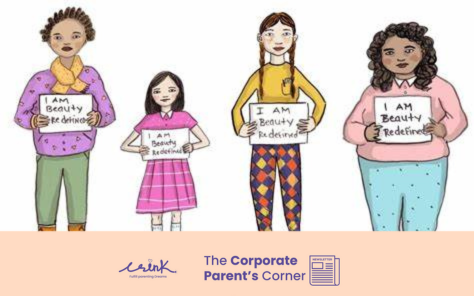
Nurturing self-esteem and body positivity in our children
Learn how parents can nurture self-esteem and body positivity in children through supportive parenting, healthy communication, and confidence-building habits.
Dear Fellow Parents,
In a world that often emphasizes unrealistic standards, our focus today is on a topic close to our hearts, promoting self-esteem and body positivity in our children.
Why Self-Esteem Matters for Our Kids
Ever noticed how your child’s confidence affects their ability to tackle new challenges?
It’s called self-esteem, and it’s a game-changer.
High self-esteem empowers kids to embrace new experiences, be proud of their achievements, and bounce back from setbacks.
Children thriving with high self-esteem are not only more confident but also more resilient.
They pass through the ups and downs of life with a positive outlook, making them well-equipped to excel at school, at home, and in their friendships.
From the first smiles to those initial steps, self-esteem begins to bloom with positive attention and care.
As they grow, achieving goals, learning new skills, making friends, and enjoying their favorite activities all contribute to a healthy self-image.
Seven Ways to Build Self-Esteem and Body Positivity
- Lead by Example: Share your own positive self-image experiences. Children tend to copy the behaviors and actions of the adults around them. If children hear adults speak negatively about their bodies, it may influence how they see themselves. They will also speak negatively about their body and others. Praise effort and progress; avoid unnecessary criticism.
- Open Dialogue: Encourage open, non-judgmental conversations with your children about their bodies and self-worth. Create a safe space where they can express their feelings, questions, and concerns without fear of criticism.
- Redefine Physical Activity: Encourage exploration of various physical activities. Try exposing your children to different ways of being active and engaging their curiosities. They may be interested in sports like soccer or basketball, or find a passion for yoga, or roller skating. If your children are concerned that they can’t pursue an activity because of their size, show them how professional athletes come in different sizes and shapes. Highlight the joy and fun of movement, beyond traditional exercise.
- Media Literacy: Equip your children with critical thinking skills regarding media portrayal. Discuss how images are often edited, emphasizing the importance of distinguishing between reality and media-created ideals. When kids learn to be critical consumers of media, they learn how to research a particular subject and form their own opinions about that subject.
- Healthy Habits, Not Diets: Promote a healthy lifestyle centered around nutritious eating and regular exercise. Focus on well-being rather than weight, instilling the understanding that being healthy is more important than conforming to specific body shapes.
- Positive Food Relationships: Shift focus from “good” and “bad” foods to nutritional benefits. Instead of focusing on calories, like if you eat these many calories you will get fatty like others rather explain how the vitamins in an orange help their gums, or how nuts are good for their brain. And if your child wants to have a cookie or chips, there’s no need to shame their food choices. Allow children to make informed choices about what they eat.
- Celebrate Uniqueness: Teaching your children to think positively about themselves can help develop a positive self-image that doesn’t focus entirely on appearance. Practice stating what positive attributes they have and what they are capable of doing or becoming.
What are your experiences in promoting positive self-esteem in your children?
Share a tip or a challenge you’ve faced, and let’s learn from each other!
Our shared journey as corporate parents involves not just the workplace but also our homes and families.
By fostering self-esteem and body positivity, we contribute to nurturing a generation of confident and compassionate individuals.
Let’s continue to support each other in building resilient, self-assured children.
Building self-esteem and body positivity in children is not about helping them become “perfect,” but about helping them feel valued, confident, and comfortable in who they are.
If you want to go a level deeper, how self-esteem develops in children and body image concerns in adolescents can help.
Take the free Parenting Checklist
Helping Children Feel Valued
Every kind word, supportive conversation, and positive example we set as parents shapes the way our children see themselves and the world around them.
As parents, we have the power to create a safe and encouraging environment where children learn to appreciate their uniqueness, trust their abilities, and grow with confidence.
By nurturing healthy self-esteem and positive body image early in life, we help raise emotionally strong, compassionate, and resilient individuals who can face life with courage and self-belief.
If parenting feels overwhelming, you don’t have to navigate it alone.
Crink’s Online Parenting Counselling supports working parents with expert guidance, emotional wellness strategies, and practical parenting solutions, including the calm approach discussed in Stay Calm & Patient as a Parent.
FAQ
Frequently asked questions
What is the core message of "Nurturing self-esteem and body positivity in our children"?
Learn how parents can nurture self-esteem and body positivity in children through supportive parenting, healthy communication, and confidence-building habits. The post explains the issue in concrete, recognizable terms so readers can tell the difference between a difficult phase and something that deserves real attention.
Why does this issue matter according to the article?
According to the article, this matters because early recognition, informed support, and compassionate responses can change outcomes for the person affected and the people around them.
What practical takeaway does the article leave readers with?
The practical takeaway is to learn the signs, take symptoms seriously, and reach for timely professional or practical support rather than waiting for fear, exhaustion, or shame to deepen.
Updated on May 15, 2026