Self
Feeling Guilty for Resting? Why Small Breaks Matter
Rest is not a reward you have to earn. Why slowing down can feel uncomfortable, what happens when we skip rest, and how short, everyday breaks help you recover without guilt.

Feeling guilty for resting usually comes from linking our worth to how productive we are. But rest is a basic need, not a reward you have to earn, and you don’t need a whole day off to feel the benefit. Research shows that even short breaks of a few minutes boost energy and reduce fatigue. Small, regular pauses are a realistic place to start.
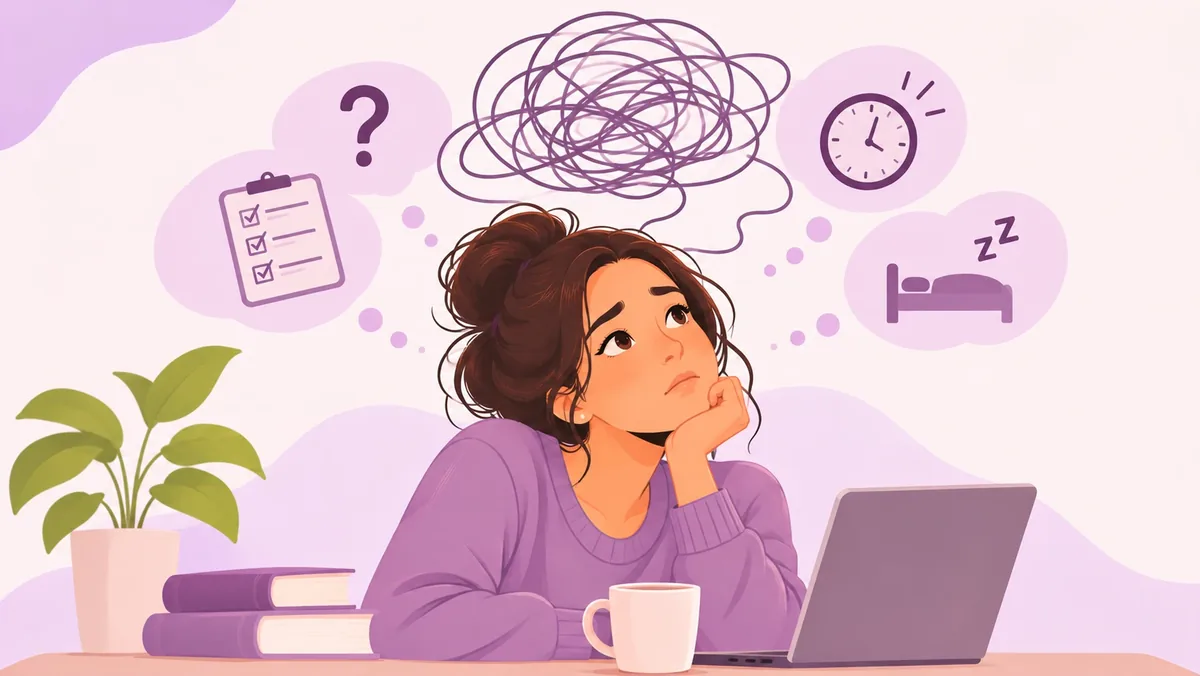
While taking a break, do you catch yourself thinking, “I should be doing something productive”? Even when we’re tired, we can feel guilty about resting, as though taking time for ourselves means we are lazy or falling behind.
Rest is a basic need, yet many of us struggle to allow ourselves to do it.
Why can resting feel uncomfortable?
We often connect productivity with success and self-worth. When we are constantly busy, taking a break can feel like wasting time or not doing enough.
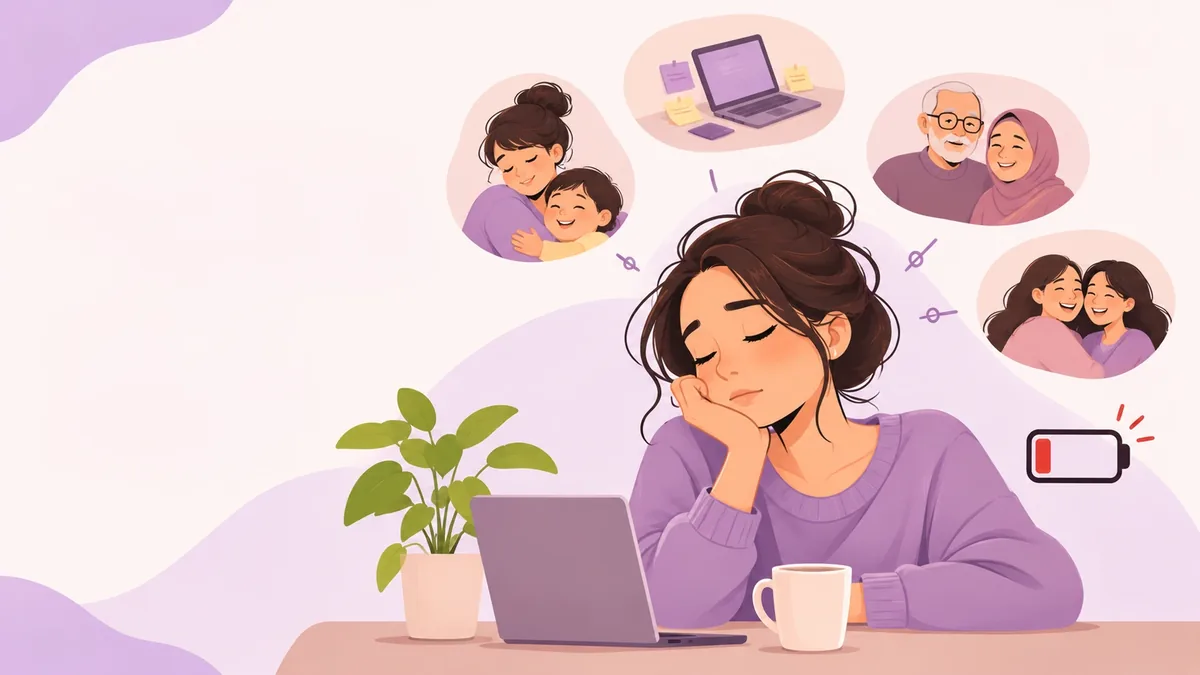
Some of us also feel responsible for keeping up with work, family, and everyone’s expectations. When there is always something left to do, rest can start to seem unimportant.
Over time, we may start ignoring the signs of tiredness and push ourselves to keep going, even when we clearly need a break. For a deeper look at where this guilt comes from, see why you feel guilty for resting, even when you’re exhausted. And if the guilt is loudest when you’re unwell, why you can’t take a sick day without feeling guilty may resonate.
What happens when we don’t rest?
Without enough rest, we can feel mentally and physically drained:
- Our patience runs thin.
- Small problems start to feel overwhelming.
- It becomes harder to focus or make decisions.
- We become less present with the people around us.
Instead of feeling refreshed, we move through the day exhausted and irritable. If that has become your normal, it is worth knowing the early signs of burnout.
Rest is not a reward we have to earn after finishing everything. There will almost always be another task waiting.
Why do small breaks matter?
You don’t need to set aside an entire day to rest. Short, regular pauses can make a real difference.
A meta-analysis of 22 studies published in PLoS One looked at micro-breaks: short pauses of up to about ten minutes taken between tasks. These brief breaks boosted people’s energy and reduced their fatigue. The effects were modest, but consistent, and they came from breaks short enough to fit into almost any day.
In other words, rest does not have to be big to count.
How can you become more comfortable with resting?
1. Make rest part of your routine
Instead of waiting until you are completely exhausted, plan short pauses throughout your day, the same way you would plan a meeting or a meal.
2. Start with small breaks
A few minutes to stretch, sit quietly, step outside, or enjoy a cup of tea is a helpful beginning. You can build from there.
3. Notice the guilt without judging yourself
When the thought “I should be doing something” appears, remind yourself that feeling guilty does not mean you are doing something wrong. It is a feeling, not a verdict.
4. Challenge the idea that rest is unproductive
Rest supports concentration, emotional balance, and the energy you need to manage your daily responsibilities. It is part of how you keep going, not a break from being useful.
Give yourself permission to pause
You don’t have to finish every task or meet every expectation before you are allowed to rest. Taking care of yourself is not laziness. It is part of looking after your well-being.
If exhaustion and guilt have become constant companions, talking to a psychologist, such as one at Crink, can help you understand what keeps you pushing and how to build rest back into your life.
Sometimes, the most helpful thing you can do is pause, breathe, and allow yourself to recover. Always remember: you are a person with needs, not a task list that has to be completed.
FAQ
Frequently Asked Questions
Why do I feel guilty when I take a break?
Many of us link productivity with success and self-worth, so pausing can feel like wasting time or not doing enough. Feeling responsible for work, family, and everyone's expectations adds to it, because there is always something left to do. Feeling guilty does not mean you are doing something wrong. It often reflects an old habit of tying your value to how busy you are.
Do short breaks actually help?
Yes. A meta-analysis of 22 studies found that micro-breaks, short pauses of up to about ten minutes taken between tasks, boosted energy and reduced fatigue. A few minutes to stretch, sit quietly, or have a cup of tea can genuinely help you recover during the day.
How can I rest without feeling lazy?
Plan short pauses into your day instead of waiting until you are exhausted, and start small. When the thought 'I should be doing something' shows up, notice it without judging yourself. Remember that rest supports concentration, emotional balance, and the energy you need for everything else. It is part of being productive, not the opposite of it.
What happens if I keep skipping rest?
Without enough rest, you may feel mentally and physically drained, become less patient, find small problems overwhelming, and struggle to focus or make decisions. You may also feel less present with the people around you. If exhaustion has become constant, it is worth looking at the early signs of burnout and speaking to a professional.