Parenting
They Don’t Just Raise Us — They Carry the World on Their Shoulders
Why Global Day of Parents Is More Than Just a Nice Thought June 1st quietly arrives every year with very little fanfare. No big sales. No store displays. No themed balloons or trending hashtags. And yet, this day — the Global Day of Parents — might be one of the most important on our calendar. Because if we look closely, it’s parents who hold the very structure of society in place. Not with speeches or headlines — but with lunchboxes packed at 6 a.m., whispered words of reassurance at bedtime,
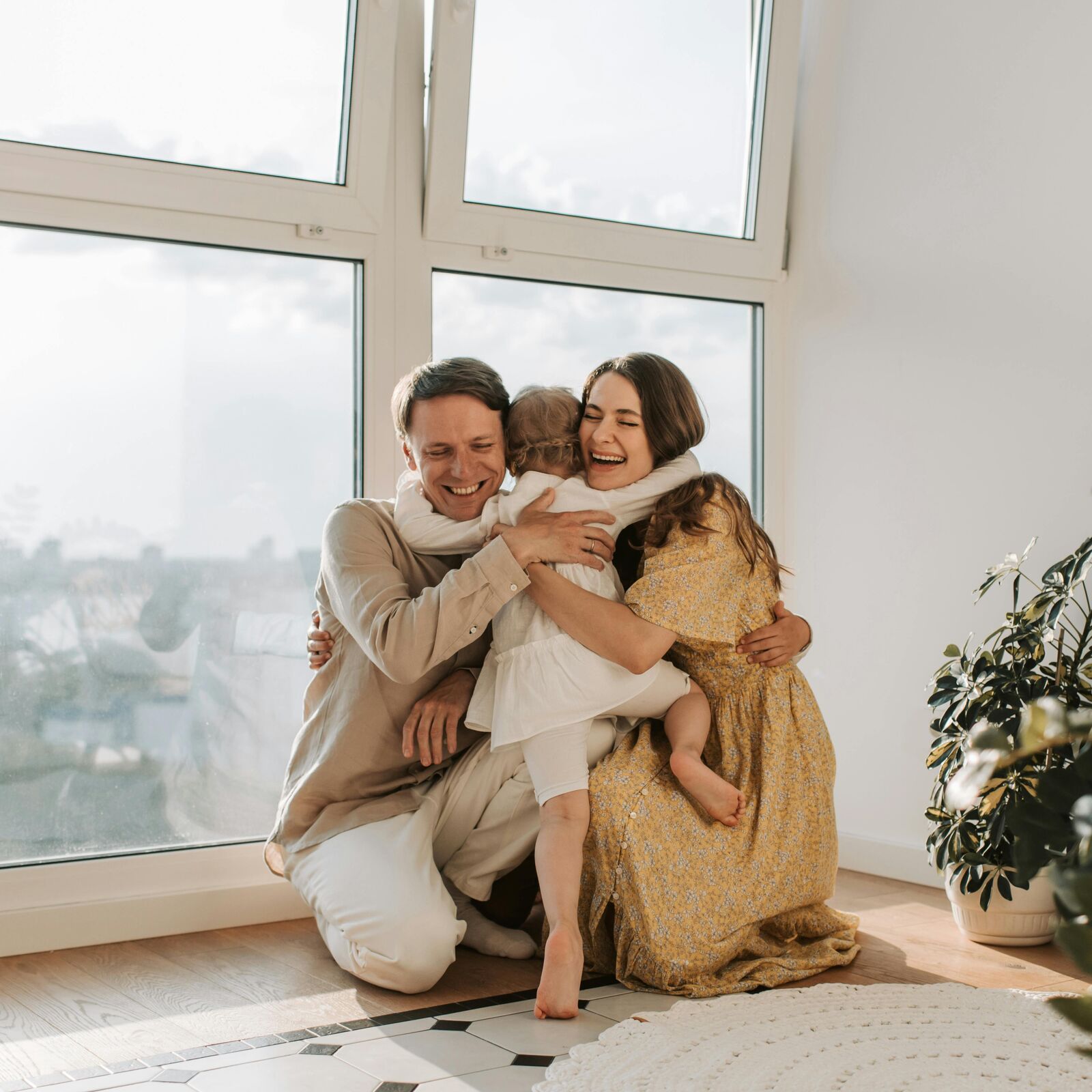
June 1st arrives quietly every year.
There are no big sales, store displays, themed balloons, or trending hashtags. Yet the Global Day of Parents might be one of the most important days on the calendar.
Why This Day Matters
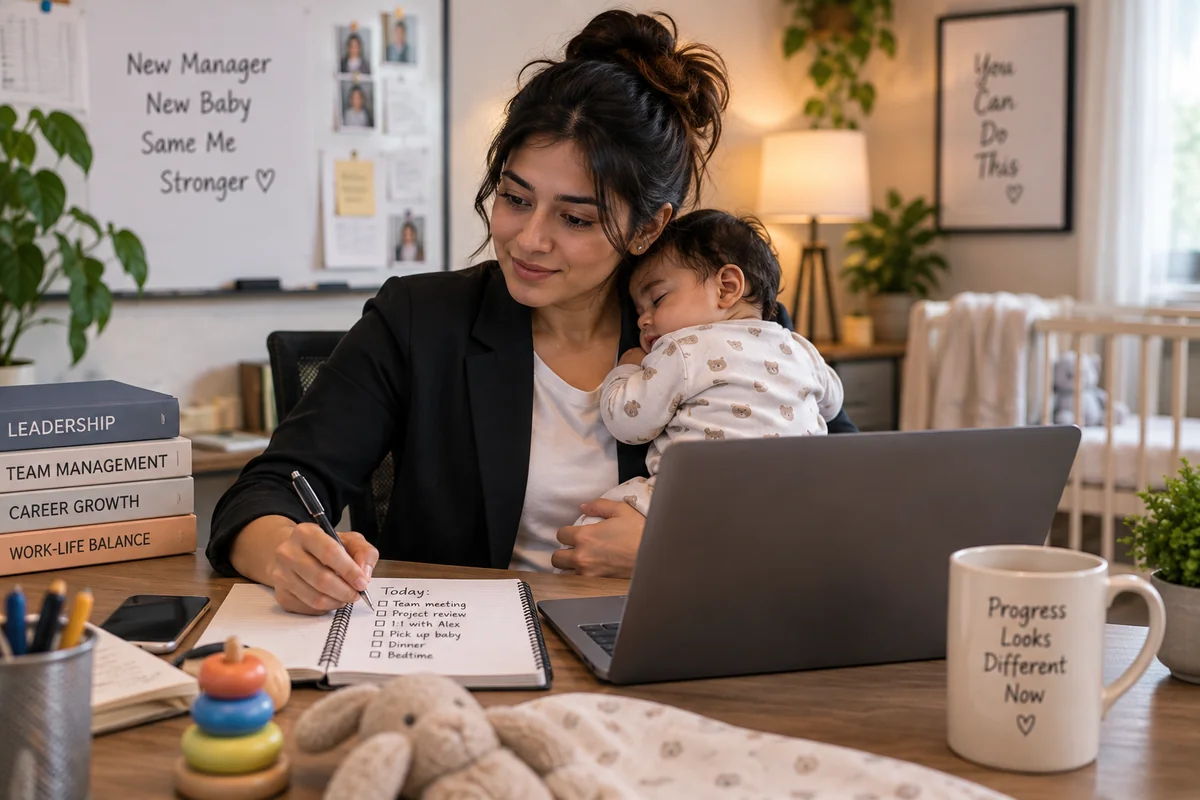
Parents hold the structure of society together, not with speeches or headlines, but with lunchboxes packed at 6 a.m., whispered reassurance at bedtime, and countless tiny decisions made out of love and responsibility.
As someone who works closely with families, I have learned that parenting is often quiet, often thankless, and always powerful.
Parenting Does Not Look Only One Way
Honor Every Version of Parenting
When we say “parents,” we should not imagine only one kind of family.
Think of the single dad learning to braid hair before school, the grandmother raising another generation, the foster parent who keeps showing up, or the aunt who steps in after tragedy strikes.
Parenting is not solely about biology. It is about devotion, and it shapes the same quiet strength families carry every day.
The Emotional Load Parents Carry
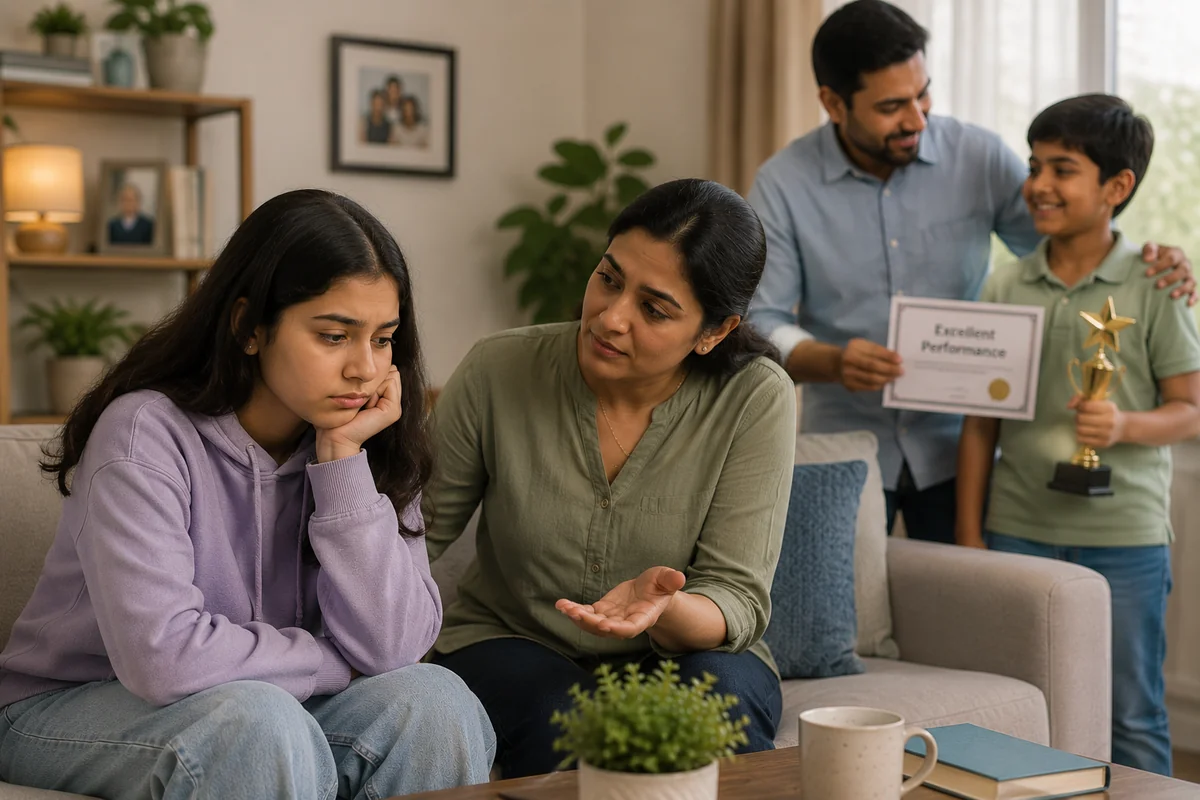
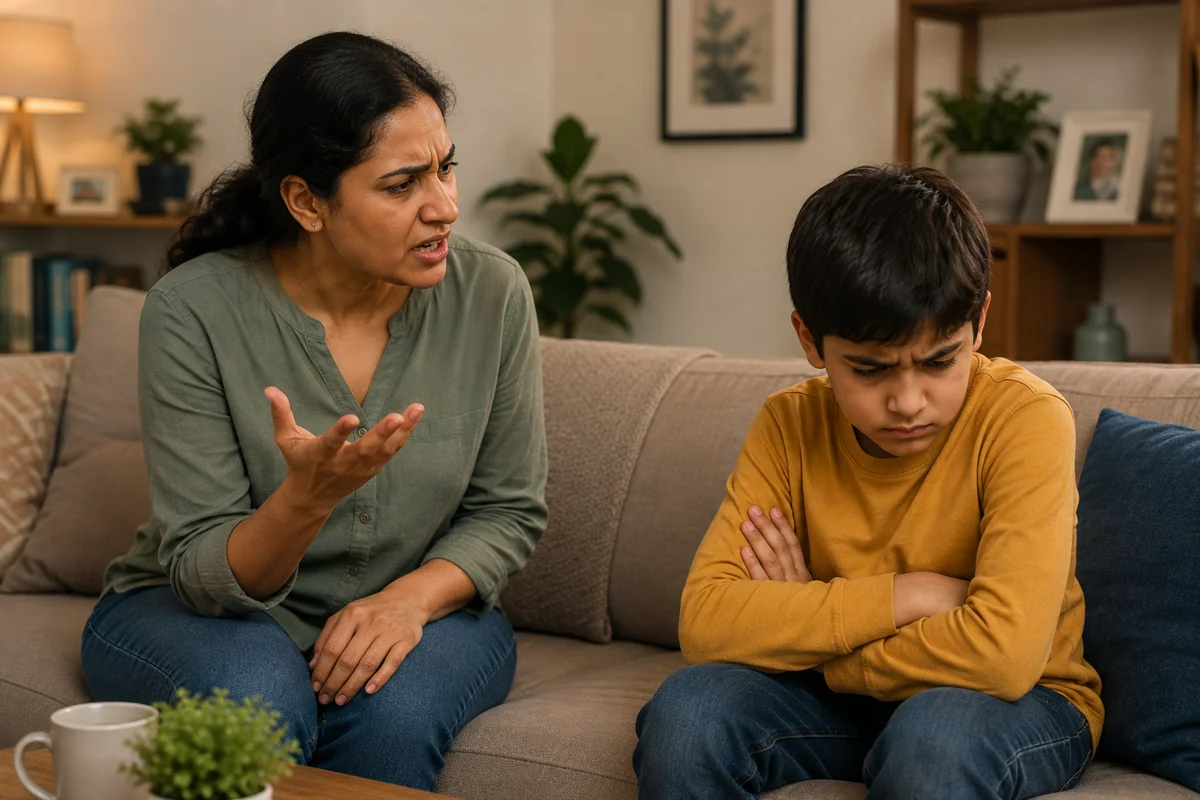
Parents carry a heavy and often invisible emotional load.
It includes the mental calendar running nonstop, the worries that wake them at 3 a.m., and the careful noticing when a teen seems quieter than usual. It is the same strain many families feel in top parenting challenges and in the emotional fatigue behind working parents feeling exhausted.
Parenting deserves more than praise. It deserves the kind of support that makes the work survivable.
Start by Asking What Feels Heavy
A simple place to start is to ask a parent in your life, “What’s been heavy for you lately?” Then truly listen.
Parenting Needs More Than Love Alone
Love can accomplish a lot, but it cannot pay childcare bills, create parental leave, or make therapy affordable when burnout creeps in.
If we genuinely want to value parenting, we need systems that support it: paid parental leave, flexible workplaces, access to mental health resources, and affordable healthcare and childcare.
One parent once expressed it plainly: “I’m not tired of parenting. I’m tired of parenting in a world that makes it so hard.”
Five Real Ways to Honor Parents
- Say something real, such as “You matter so much to this family.”
- Do not wait to be asked before offering help with meals, errands, or childcare.
- Make space for parents to rest, recharge, and be imperfect.
- Challenge policies or patterns that ignore parental needs.
- Choose meaningful appreciation through time, empathy, and shared laughter, not only symbolic gestures.
For a more grounded frame, psychological impacts of parenting stress and understanding parental stress and resilience offer useful context.
Take the free Family Wellbeing Checklist
Not everyone meets this day with joy. Some people carry grief, estrangement, exhaustion, or longing.
That experience belongs in the conversation too, because honoring parents honestly means making room for every part of the story.
FAQ
Frequently asked questions
What is the core message of "They Don’t Just Raise Us — They Carry the World on Their Shoulders"?
Why Global Day of Parents Is More Than Just a Nice Thought June 1st quietly arrives every year with very little fanfare. The post frames the issue through everyday parenting choices and family dynamics rather than abstract advice alone.
Why does this issue matter according to the article?
According to the article, this matters because the way adults respond shapes a child's emotional safety, confidence, and willingness to stay connected while learning.
What practical takeaway does the article leave readers with?
The practical takeaway is to slow the reaction down, stay curious about what is happening underneath the behaviour, and choose guidance, connection, and consistency over pressure, punishment, or comparison.
Updated on June 12, 2026